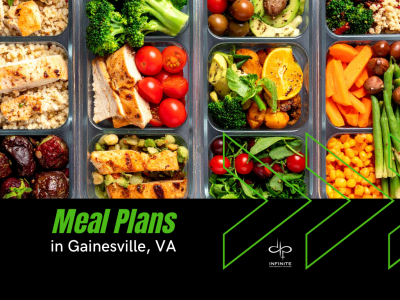
Are you looking for meal plans in Gainesville, VA? If so, we can help!
There is a vast difference between being full and being fueled. Student-athletes feel it every day as they’re trying to compete at the highest levels. The proper meals lead to sharper focus, better strength, and faster recovery. The wrong meals lead to sluggish practices and slow progress. If you want the simplest way to stay fueled through busy school days and late practices, keep reading.
We share with you the strategy behind student-athlete meal plans and also expand on the Infinite Performance Training meal plan service!
Why Proper Fueling Is Mission Critical for Student-Athletes
A student-athlete’s performance doesn’t start at warmups. It begins with what they eat all day. Energy, focus, strength, reaction time, and recovery are all tied directly to nutrition. When meals are insufficient, the body pulls energy from muscle, reduces training output, and increases the risk of fatigue-related injuries. This is not a theory. It’s what happens inside the body every practice, game, lift session, and school day.
A study from Merrimack College titled “Nutritional Impact on Performance in Student-Athletes: Reality and Perception” found that many athletes believe they are eating enough, but are consistently under-fueled compared to what their sport demands. Athletes often report feeling “fine” until performance plateaus, soreness persists, or the season wears them down. In other words, most athletes don’t notice under-fueling until their body makes it obvious.
Fueling isn’t about dieting or eating “clean.” It’s about giving the body:
- Carbs for usable game-day energy
- Protein for muscle repair and growth
- Healthy fats for long-lasting endurance
- Fluids and electrolytes for focus and hydration
Student-athletes who fuel consistently recover faster, train harder, stay mentally sharp, and perform better when it matters.
GET IN TOUCH
Schedule a Training Session
The Fueling Challenges Gainesville Student-Athletes Face
Being a student-athlete in Gainesville is about more than just a sport; it’s a full schedule here in this NOVA area. Classes, homework, strength training, practice, weekend travel, and social life all compete for energy. The challenge isn’t knowing what to eat. It’s finding meals that fit the pace of real life.
Food choices often come down to what is nearby, fast, or allowed in backpacks. Without a plan, energy dips happen at the worst times: in class, in the weight room, or in the middle of a game. Fueling is part strategy, part preparation, and part habit.
Early Morning Workouts
Early workouts hit the body when energy stores are low. A student-athlete who trains in the morning needs fuel that digests quickly and provides steady power without sitting heavily in the stomach.
Ideal Pre-Workout Breakfast (5 minutes)
- 1 banana
- 1 cup Greek yogurt
- 1 tablespoon honey
- Small handful of oats or granola
Why it works:
- Banana provides quick carbohydrates
- Yogurt delivers protein for muscle repair
- Honey gives fast-access fuel
- Oats extend energy so the athlete doesn’t crash mid-workout
Simple Recipe (No Cooking): Stir yogurt and honey in a bowl or cup. Top with oats. Eat the banana on the side or slice it in.
Tip: Drink 12 oz of water before training, not during the first drill.
Long School Days and Limited Meal Breaks
School schedules are not built for athletes. Lunch may be early. Snack time may not exist. Fuel has to be easy to pack, quick to eat, and able to sit in a backpack for hours.
Smart On-the-Go Snack Kit (Pack the Night Before):
- Peanut butter sandwich on whole wheat
- Apple or clementines
- Trail mix (nuts, dried fruit, pretzels)
- Refillable water bottle
Why it works:
- Balanced carbs + protein
- No refrigeration required
- Easy to eat between classes or on the walk to 3rd period
Simple PB Energy Sandwich Recipe: Spread 2 tablespoons of peanut butter on whole-grain bread. Add thin banana slices if extra fuel is needed. Wrap tightly. Done.
Tip: Eat small amounts often instead of waiting to feel starving.
Late-Day Practices and Games
By late afternoon, energy levels naturally dip. Athletes who wait until practice to realize they’re hungry lose power, focus, and intensity. A pre-practice fueling snack needs to be fast-digesting and portable.
Pre-Practice Fuel (30–60 Minutes Before):
- 1 cup applesauce
- Pretzels or rice cakes
- String cheese or ½ protein bar
Why it works:
- Applesauce and pretzels digest quickly
- Provides steady glucose for sustained power
- Light enough to avoid stomach cramps during sprint drills
Power Snack Combo:
- 1 single-serve applesauce cup
- 1 handful pretzels
- 1 cheese stick Eat on the way to practice. Takes under 60 seconds.
Tip: Do not starve through the afternoon. The body cannot run hard on empty.
Travel Schedules and Tournament Days
Game days on the road are where nutrition usually collapses. Gas stations and fast food can ruin performance faster than fatigue. The key is planning food that travels, doesn’t spoil fast, and keeps energy steady through multiple matches or heats.
Travel Fuel Pack (Bus, Van, or Hotel):
- Turkey, beef, and cheese wraps (tortilla > bread, holds better)
- Bagels (better than bread, slower to go stale)
- Mixed fruit cup or grapes
- Electrolyte drink or packets
- Almonds or pumpkin seeds
Simple Travel Wrap Recipe:
- Whole wheat tortilla
- 3–4 slices turkey
- Slice of cheese
- Light smear of mustard or hummus Roll, wrap in foil, toss in bag. No mess. Lasts several hours.
Tip: Sip water steadily. Do not chug before warmups.
Meal Plan Service Near Me – We Got You!
Do you need help with the perfect meal plan for you or a student athlete? We can help!
Infinite Performance Training offers a simple, sustainable meal plan service designed to fuel both student athletes and adult training clients right here in Gainesville, VA. If you’ve been searching for a “meal plan near me” that actually fits your goals, our approach removes the confusion and guesswork.
Each plan is built to support performance, recovery, and everyday energy—whether you’re a middle or high school athlete pushing for the next level or an adult focused on weight loss and healthy habits. Our meal plan, Gainesville, VA program pairs perfectly with our training, helping clients stay consistent and see real results.
Core Principles of a Performance Meal Plan
The body needs energy to train, protein to rebuild muscle, and hydration to keep everything moving smoothly. When athletes eat with intention, they feel the difference in practice, in games, and in the classroom. These principles are simple, repeatable, and realistic for Gainesville student-athletes with busy schedules.
Balance Protein, Carbs, and Healthy Fats
Every meal should support two goals: create energy and rebuild the body after training. Protein repairs muscle, carbohydrates fuel movement, and healthy fats help with endurance and hormone support. When one is missing, performance drops.
- Protein: chicken, fish, eggs, Greek yogurt, tofu
- Carbs: rice, oatmeal, pasta, potatoes, fruit
- Healthy fats: avocado, olive oil, nuts, seeds
Time Meals Around Training, Not Just the Clock
Eating at the right time makes as much difference as eating the right food. The body needs fuel (No soft drink, choose water) before practice to perform and after practice to recover. If fueling happens too late, energy dips and recovery slows.
- Eat something light 1–2 hours before training for steady energy
- Eat a meal with protein + carbs within 45 minutes after training to maximize recovery
Hydrate All Day, Not Just at Practice
When athletes wait to drink water until practice starts, they are already dehydrated, and no amount of chugging can fix that mid-workout. Even mild dehydration affects reaction time, strength, and focus.
- Drink 8–12 oz of water when waking up
- Sip water between classes and meals
- Add electrolytes during long practices, hot weather, or tournaments
Keep Fuel Portable and Repeatable
The best fuel is the fuel you can actually carry and eat during real life. Snack options should be simple, quick to grab, and the same every week. Consistency beats variety when the schedule is full.
Great portable fuel options:
- Fruit: bananas, apples, grapes
- Snacks: pretzels, granola bars, trail mix
- Quick protein: cheese sticks, yogurt cups, PB sandwiches
Sample Daily Meal Plan for a Gainesville Student-Athlete
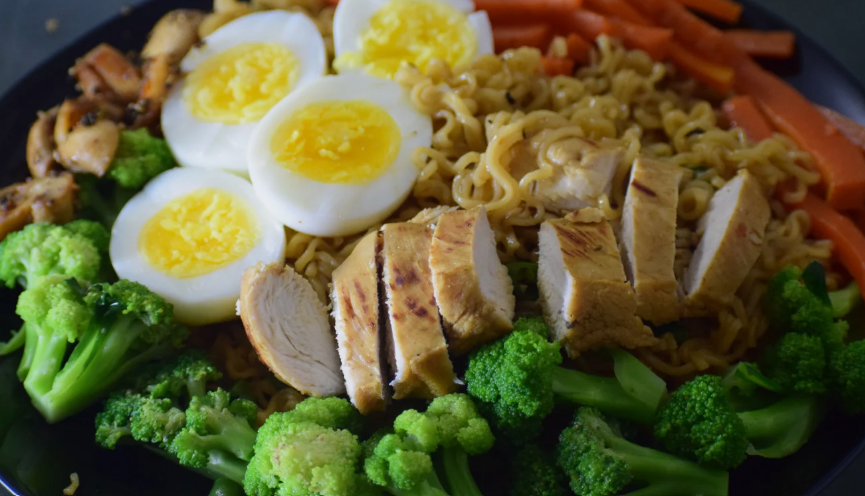
Most high school athletes burn 2,800 to 4,200+ calories per day depending on position, training load, and schedule. That fuel has to come from real food spaced throughout the day, not one big dinner and a protein bar. The goal is steady energy, stable mood, quick recovery, and no 3 p.m. crash.
Below is a simple, realistic daily meal plan that works with classes, training blocks, and homework—not a chef’s kitchen or endless free time. Portions scale up or down based on body size and training volume.
| Time | Meal | What to Eat | Why It Works |
|---|---|---|---|
| 6:15 AM | Wake-Up Fuel | Greek yogurt + honey + banana + handful of granola | Easy carbs for fast energy and protein to protect muscle |
| 7:45 AM (School Breakfast) | Balanced Plate | Scrambled eggs, oatmeal, berries, water | Keeps energy stable through the first classes |
| 10:00 AM | Snack #1 | Peanut butter + whole grain wrap + apple | Sustains brain power; prevents hunger dip |
| 12:30 PM (Lunch) | Performance Lunch | Grilled chicken bowl with rice, black beans, shredded cheese, lettuce, salsa | Carb-protein combo for steady fuel |
| 3:15 PM | Pre-Practice Snack | Pretzels + orange + chocolate milk | Quick carbs + electrolytes + protein for training output |
| 6:00 PM (Post-Practice Recovery) | Recovery Shake | Whey protein + milk + banana OR chocolate milk + protein bar | Begins muscle repair and glycogen restoration |
| 7:30 PM (Dinner) | Rebuild Meal | Salmon or lean beef, roasted potatoes, sautéed spinach, water | Replenishes nutrients and supports recovery overnight |
| 9:15 PM | Wind-Down Snack (Optional) | Cottage cheese + berries or whole grain toast + almond butter | Slow-digesting protein supports muscle repair during sleep |
Game Day and Tournament Day Fueling Strategies
The worst approach is skipping meals and “saving room” for later. The body treats fuel like a bank account: if you do not deposit throughout the day, there is nothing to withdraw in the fourth quarter, the fifth set, or the last 200 meters.
What matters most:
- Eat familiar foods. Game day is not the day to experiment.
- Carbs are king. They drive speed, explosiveness, and repeat effort.
- Hydration starts the day before. You cannot chug your way out of dehydration 20 minutes before warm-ups.
| Time | Fuel Strategy | Example Foods |
|---|---|---|
| Night Before | Carb-load lightly + hydrate | Pasta with chicken, roasted veggies, water + electrolytes |
| Breakfast | High-carb, moderate protein | Bagel + scrambled eggs + fruit |
| Lunch | Balanced but not heavy | Turkey sandwich on whole wheat + grapes |
| Pre-Game (60–90 min before) | Quick-digesting carbs | Banana, pretzels, applesauce pouch |
| Halftime / Between Games | Carbs + electrolytes | Sports drink, fruit chews, small granola bar |
| Post-Game | Protein + carbs within 45 minutes | Chocolate milk + protein wrap |
Tournament Days (Multiple Games)
Think grazing—not meals. Everything should be portable, clean, and easy to digest.
Great tournament bag snacks:
- Orange slices
- Mini bagels
- Rice Krispies Treats
- Dried mango
- Trail mix with chocolate chips
- Coconut water or electrolyte packets
One rule never changes: If you wait until you’re hungry or thirsty to fuel, you’re already behind.
The Final Word on Gainesville Meal Plans
Do you live in or near Gainesville, VA? If so, you know all about the traffic and the constant buzz. If you want to get healthy and stay healthy, or perhaps perform at a higher level, it starts with your food intake.
Great athletes don’t just train harder. They recover faster and fuel smarter. If you’ve been guessing your meals or just “grabbing what’s available,” it’s time to get intentional. Reach out. We’ll help you dial in nutrition so your hard work shows up in your performance.

 Balance Training for Athletes: Core Strength, Footwork, and Body Control Techniques
Leave a Reply