Are you looking for information regarding semi-private personal training options near you? If you live in Gainesville, VA, and you want semi-private training, we have you covered!
Fans of old workout shows know the energy that comes from moving with others. Semi-private training brings that same spark to a small group, where guidance stays personal and the pace never feels rushed. You get support from a coach and steady motivation from people who share your goals.
Keep reading if you want a routine that feels social, safe, and easy to stick with. The best part is what this setup can do for your strength and comfort at home.
What Is Semi-Private Personal Training and How Does It Work?
Semi-private training gives you the structure of personal coaching with the comfort of a small group (think accountability and affordability!)
When you train with two to four people while an IPT coach guides each move, checks your form, and adjusts your plan, you will see better results. The format gives you focused support at a lower cost than one-on-one training. It also fosters accountability because you train alongside people who share similar goals and fitness levels. Sessions stay personal because your coach tracks your progress, adjusts your plan when your strength changes, and keeps your workouts safe. The result is a calmer pace than big classes and far more direction than trying to train alone at home.
Before each cycle, your coach reviews your posture, strength, stamina, and mobility. This helps them match you with the right group and design a plan that fits your level. You follow your own training card with exercises that match your needs while your coach supervises the whole room. You get coaching that stays personal without losing the fun energy of a shared session.
What Is Small Group Personal Training and Who Is It For?
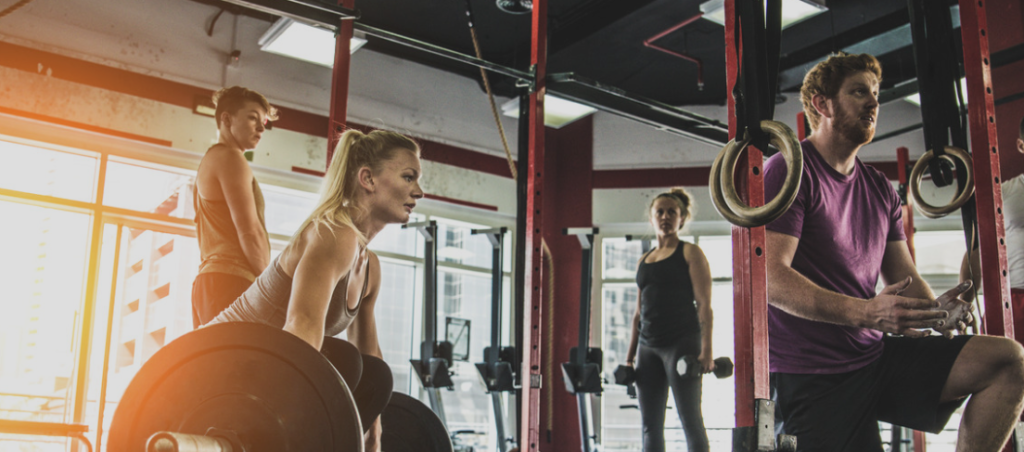
Small-group training is for people who want guidance, structure, and steady motivation in a focused group of 3 to 6 trainees. It works well if you want coaching but enjoy training with others who help you stay consistent.
How Are Personalized Group Workouts Designed in Semi-Private Training?
When it comes to semi-private or group personal training, you still have a custom plan built by experts! Coaches build your workouts around your strength level, mobility limits, and personal goals. Each person follows a tailored plan within the same session. Your coach sets your weights, checks your form, and adjusts the difficulty when your body adapts. This lets you progress safely while still enjoying the shared pace of a group.
What Are the Key Benefits of Semi-Private Personal Training?
Semi-private training gives you focused coaching inside a small, supportive group. You still follow your own plan, but you train beside people who work at a similar pace. The format keeps you accountable and cuts the pressure you might feel in a larger class. Below are the benefits that matter most.
- Stronger form and safer technique. A coach watches your movement in real time and adjusts your posture, stance, and breathing. This prevents avoidable strain and helps you build strength on a solid foundation. It also reduces the risk of injury because your coach catches mistakes before they grow into bad habits.
- Personal plans inside a shared session. You train with others, but your routine is built for your goals, comfort level, and mobility needs. Your coach modifies the load, pace, and movement pattern so you progress at the right speed. You avoid the one-size-fits-all problem that often happens in big classes.
- Steady progress tracking, Coaches check your stamina, strength, and control during every session. They adjust your plan when they see your body respond and this keeps your training productive rather than random. You feel the improvements because each cycle pushes you a little further and is precisely crafted for your needs.
- Lower training cost with real coaching. You receive personal guidance at a fraction of one-on-one rates. You share the session cost with two to four people, but you still receive coaching that feels direct and clear. This makes long-term consistency more realistic.
- Higher motivation through shared effort. Training beside others builds energy. You see their pace, celebrate their progress, and stay committed even on low-energy days. Many people find they show up more often when they train with a group that feels familiar.
- Better habit building. The structure of a set schedule keeps you consistent. Coaches help you build a weekly routine, and the group setting makes it easier to stay on track. This creates steady improvement because you avoid long breaks.
- Supportive environment for all fitness levels. Semi-private groups match people by current ability, so no one feels out of place. Beginners feel supported, and advanced clients stay challenged. This balanced mix keeps the training welcoming and productive.
How Does Semi-Private Training Provide Personalized Attention and Motivation?
Semi-private training stays personal because your coach adapts the session to your needs while still managing a small group. Here is how the structure keeps you motivated and supported:
- Tailored plans for each person in the room. You follow your own training card with exercises chosen for your goal, strength level, and movement limits.
- Real-time coaching that keeps your technique sharp. Your coach watches your form, adjusts your position, and gives cues that help you move safely.
- Personal progress tracking, Coaches check your numbers, mobility, and stamina. They update your plan as your body improves, so you keep moving forward.
- Group energy that encourages consistency. You train alongside people who work toward similar goals. Their presence gives you steady momentum and helps you stay committed.
Why Is Semi-Private Personal Training a Cost-Effective Fitness Solution?
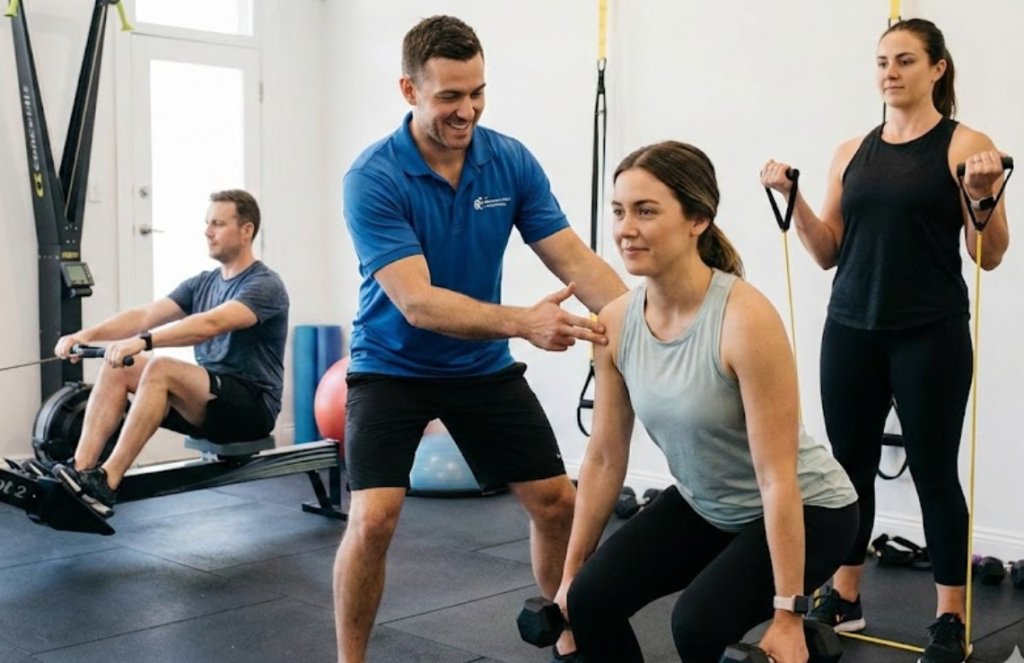
What is semi-private training? Think of small group training where you get the 1 1 focus, but without the higher pricing. Semi-private training reduces costs while still providing strong coaching support. These advantages keep the price lower without sacrificing results.
- Shared coaching time makes each session more affordable. You receive personal guidance while splitting the cost of instruction with others in your group.
- Tailored plans reduce wasted sessions. You follow a clear structure that avoids trial and error. This limits mistakes and helps you get results faster.
- Lower injury risk means fewer medical expenses. Good form and controlled progression protect your joints, spine, and soft tissue. Safe training reduces the chance of costly setbacks.
- No need to buy extra equipment. Your coach provides the tools. You do not have to invest in machines or gear at home.
- Better long-term results improve value over time. Steady coaching, structured progressions, and consistent support help you build habits that last. You gain more progress for every hour you put in.
How Much Does Semi-Private Personal Training Cost for Home Services?
Here at Infinite Performance Training, we get the cost-of-training question quite often!
Semi-private home training usually follows a simple session rate that depends on your location, group size, and session length. Most clients see prices fall between a standard small group rate and traditional one-on-one training. Since equipment, travel time, and individual needs can vary from home to home, the most accurate way to get your exact pricing is to reach out directly. A quick call lets your coach learn about your goals and give you a precise, personalized estimate that fits your schedule and training plan.
What Factors Influence Group Personal Training Cost at Home?
How much does training cost? We get that question often, and several factors shape the final cost of in-home small-group fitness. These factors help you understand why prices vary and what you are actually paying for.
- Travel time and distance. Home services require coaches to travel. Longer travel times and high traffic areas often increase session rates.
- Group size and session structure. A larger group lowers the price per person. A small two or three-person group keeps coaching more personally, which usually sits at a moderate rate.
- Training equipment and setup needs. Some homes require extra equipment or specialty tools. Bringing and managing this gear can influence the cost.
- Coach experience and credentials. Coaches with certifications in strength training, corrective exercise, or senior fitness often have higher rates because the guidance is more advanced and safer for long-term progress.
How Does Semi-Private Training Cost Compare to One-on-One and Gym Classes?
Below is a simple comparison to help you see how semi-private training fits between traditional personal training and large class settings.
| Training Type | Typical Cost | Level of Personalization | Ideal For |
|---|---|---|---|
| One-on-One Personal Training | Highest cost per session | Fully individualized instruction | Clients who want focused attention or have specific goals |
| Semi-Private Training | Moderate cost | Personalized plans within a small group | Clients who wish to structured workouts with minimal coaching |
| Large Gym Classes | Lowest cost | General group programming | Clients who wish to do structured workouts with minimal coaching |
How Is Semi-Private Personal Training Delivered as a Home Service?
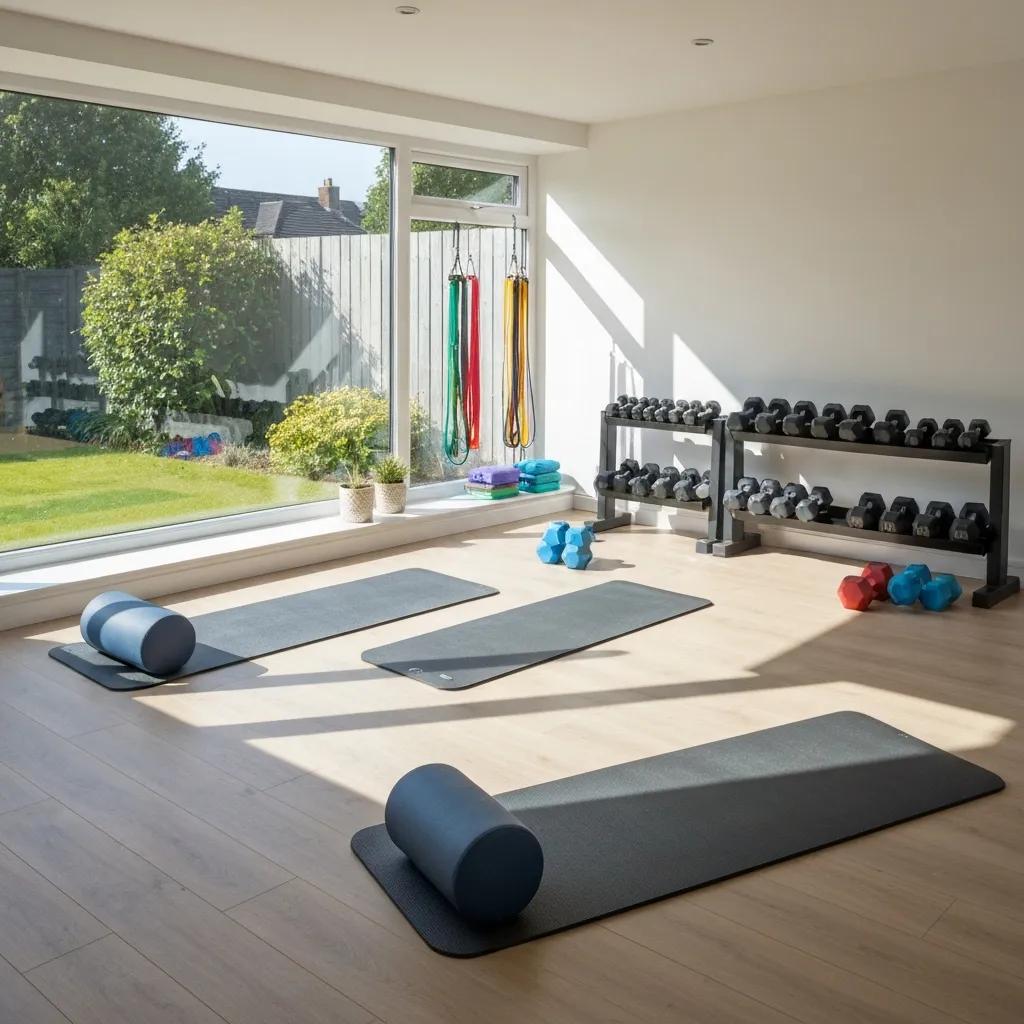
Semi-private home training works through a clear structure that keeps sessions safe, personal, and organized. Here are the four parts that make the process run smoothly.
- Focused assessment before training starts. Your trainer checks your movement, strength, and balance to understand what your body can handle. This helps them group you with people who share a similar fitness level. It also ensures your program matches your needs from day one.
- Custom training cards for each person. Everyone follows a plan written for their own goals. Even though you train together, your exercises, weights, and progressions stay specific to you. This allows steady progress without forcing anyone to match someone else’s pace.
- Guided coaching for the full session. The trainer supervises every rep. They correct form, adjust difficulty, and explain how each movement supports your goals. You stay safe and confident because you know someone is watching your posture and technique.
- Progress tracking and regular updates. The trainer reviews your results every few weeks and adjusts your routine based on your movement quality, strength gains, and stamina. You get structured progress without guesswork, which keeps sessions productive and steady.
What Equipment and Space Are Needed for At-Home Semi-Private Training?
The setup remains simple and accessible. Most homes need a clear area and a few training tools that match the goals of the group.
- Light to medium dumbbells
- Resistance bands
- Mini bands for hip and glute work
- Adjustable bench or sturdy chair
- Yoga mats
- Stability ball
- Kettlebells if appropriate
- Foam roller
- Small sliders for core and leg work
- Optional suspension trainer if space allows
A clear six to eight-foot space per person is usually enough for safe movement.
How Does Flexible Scheduling Enhance Convenience for Home Training Clients?
Flexible scheduling makes it easier for clients to stay consistent. Groups can pick shared time blocks that work for everyone, which removes the pressure of commuting or rushing to a studio. This setup helps busy families, shift workers, and older adults follow a steady routine. It also lowers missed sessions because the trainer brings the workout to you at a time that fits your day.
How to Find the Best Semi-Private Personal Trainer for Home Sessions?
A strong trainer creates structure, brings calm energy into your home, and guides your group toward steady progress. The process becomes easier when you follow a clear set of steps that protect your safety and your investment.
- Check certifications and specialties. Look for coaches who hold nationally recognized credentials and have training in strength work, mobility, corrective exercise, or senior fitness. Strong credentials show they understand safe progressions and proper form.
- Review experience with small groups. Semi-private training requires skill in managing multiple clients without losing individual attention. Ask how they structure sessions, balance fitness levels, and keep the group moving at the right pace.
- Ask about their program design approach. A quality trainer builds plans for each person in the group. They should be able to explain how they assess strength, set progressions, and adjust training loads when your body adapts.
- Request a trial session or short consultation. A short meeting helps you see how they coach, how they explain movement, and how well they manage your space. This also shows whether their personality fits your group.
- Check communication habits. You need a coach who responds on time, explains things clearly, and updates your plan when needed. Good communication keeps everyone on track and reduces confusion during shared sessions.
What Qualifications and Experience Should You Look for in a Home-Based Trainer?
A skilled trainer needs the right education and practical experience. These points help you identify someone who can keep your group safe while delivering results.
- National certification from recognized organizations, such as ACSM, ACE, NASM, NSCA, or similar. These programs teach anatomy, safe loading, mobility work, and structured strength progressions.
- Experience with small groups or semi private formats A trainer should know how to guide several clients at once, adjust workouts on the fly, and correct form while managing the group’s flow.
- Background in corrective exercise or post-rehabilitation work. This ensures they can handle mobility limits, joint concerns, or common movement issues without risking injury.
- Clear coaching style and strong communication skills. The trainer should give simple cues, watch movement closely, and offer steady encouragement that matches each client’s comfort level.
What Is the Difference Between Semi-Private and One-on-One Personal Training?
Semi-private training gives you personal guidance inside a small group, while one-on-one coaching focuses only on you. In a semi-private session, you follow your own training plan, but the coach divides attention across two to four clients.
One-on-one sessions allow deeper assessment and more rapid adjustments. Semi-private training fits people who want direction at a lower cost. One-on-one fits people who prefer private focus or need extra support for injuries or specific goals.
Is Semi-Private Personal Training Effective for Beginners and Experienced Clients?
Yes, semi-private personal training works for all levels of fitness because each person follows a program tailored to their current physical fitness. Beginners get simple cues, slower pacing, and clear form checks. Experienced clients receive stronger progressions and higher challenges when needed. Since the coach adjusts every exercise to each person, both groups improve safely in the same session.
Verdict on Semi-Private Training
If you’re ready for expert Infinite Performance Training and coaching without the pressure of a packed gym, semi-private training (aka group) is your answer. You’ll get hands-on guidance, proper form correction, and the motivation of a small, supportive group—so showing up feels easier and progress feels real.
👉 Join a semi-private training group today and experience fitness that fits your life, keeps you consistent, and actually works.

 Personal Training for Seniors Near You: Find Certified Senior Fitness Trainers